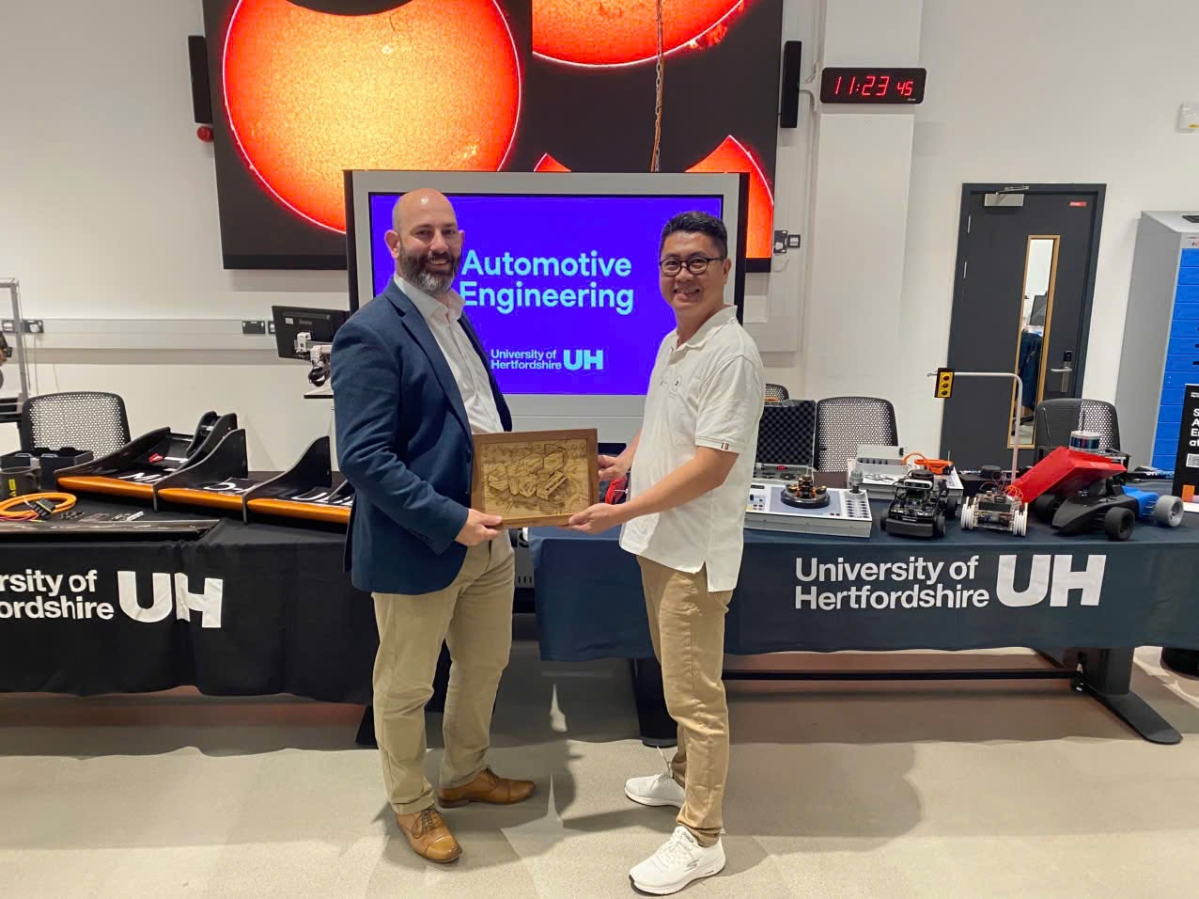
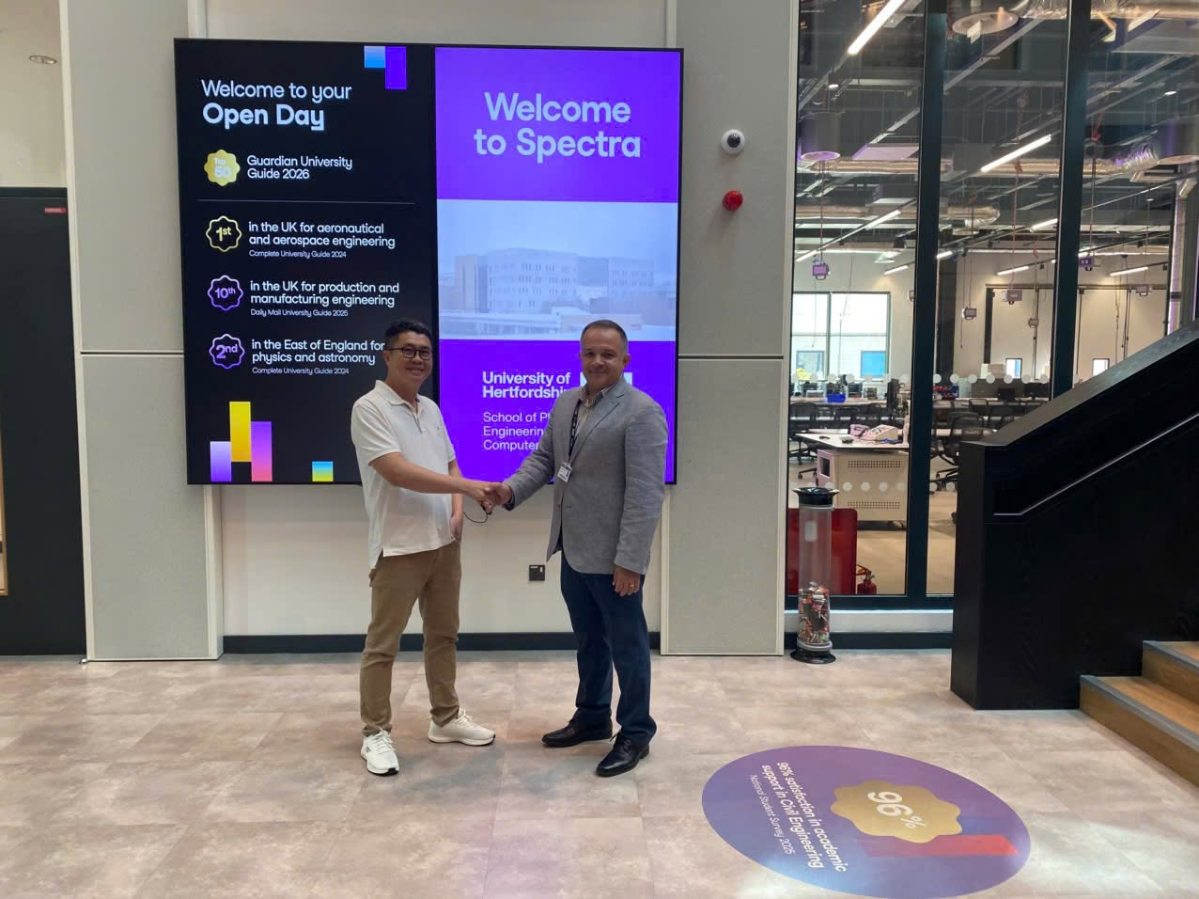
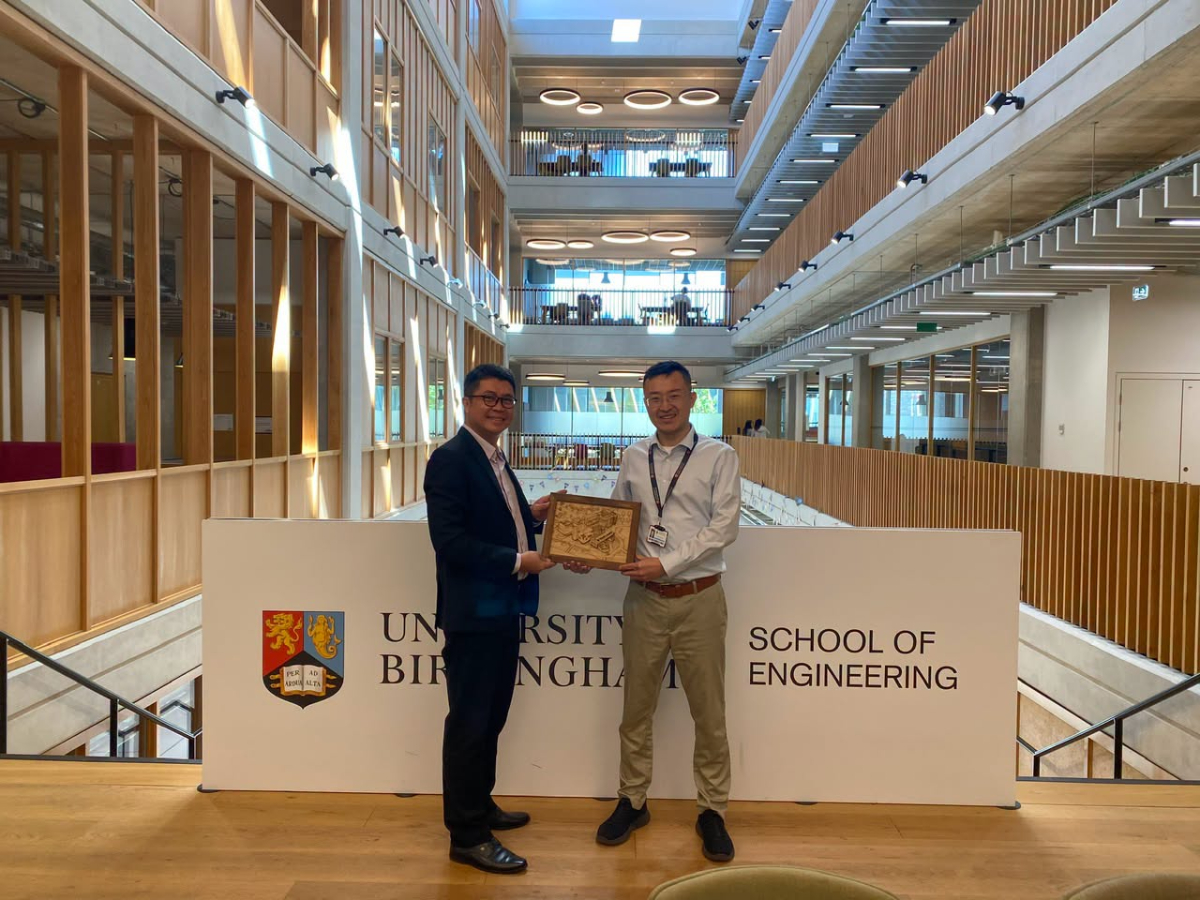
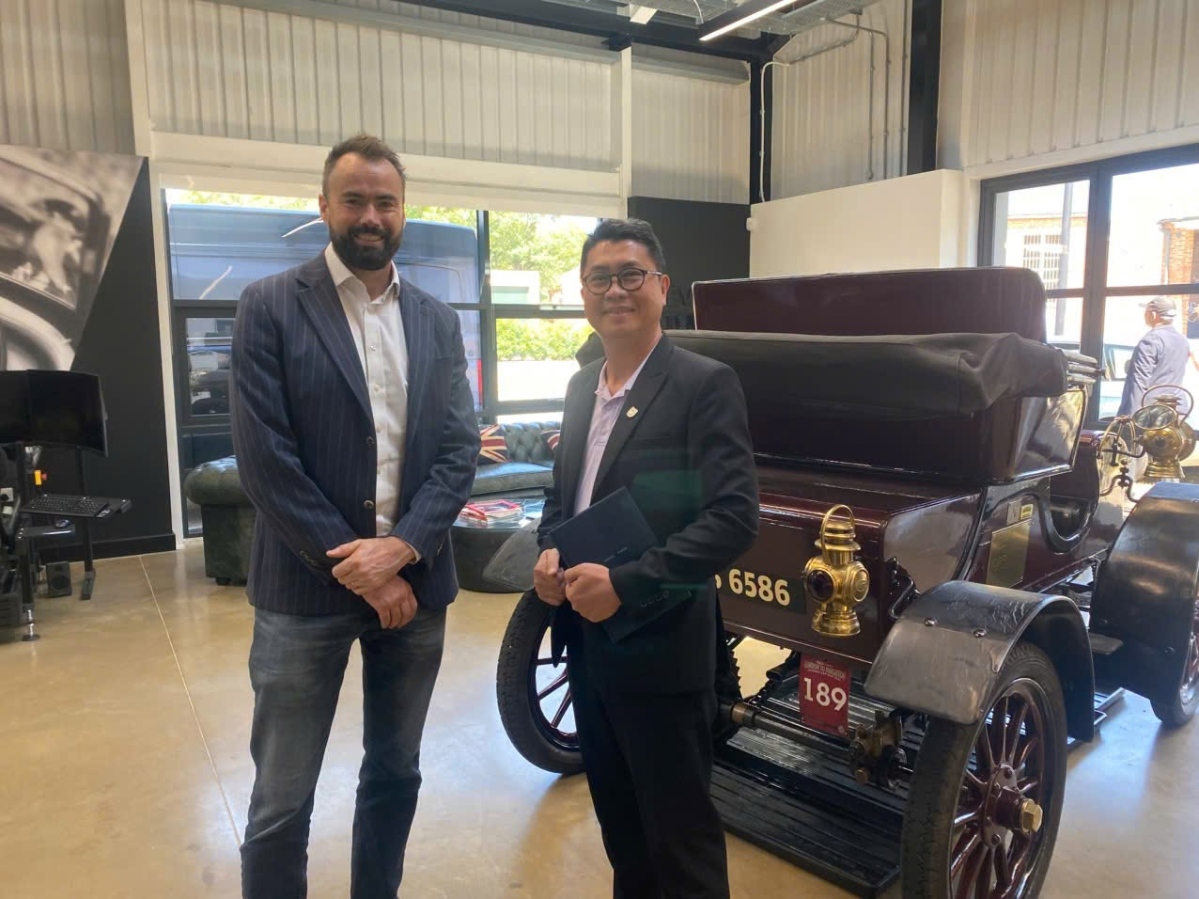
Trong chuyến công tác tại Vương quốc Anh, PGS.TS. Nguyễn Phụ Thượng Lưu – Phó Hiệu trưởng Trường Đại học Kinh tế - Kỹ thuật Bình Dương (BETU), Phụ trách khoa Công nghệ kỹ thuật ô tô, đã có chuỗi hoạt động tham quan, làm việc và trao đổi học thuật tại ba trường đại học danh tiếng gồm University of Hertfordshire, University of Birmingham và University of Oxford.
Trong khuôn khổ chương trình, PGS.TS. Nguyễn Phụ Thượng Lưu đã tìm hiểu mô hình đào tạo gắn với thực tiễn, hệ thống phòng thí nghiệm, xưởng thực hành, công nghệ mô phỏng, đồng thời trao đổi với các chuyên gia về những xu hướng nổi bật của ngành như trí tuệ nhân tạo, xe tự hành, nhiên liệu mới, kỹ thuật ô tô, phát triển bền vững và mục tiêu phát thải ròng bằng 0. Bên cạnh đó, mô hình kết nối giữa đại học - nghiên cứu - doanh nghiệp và hệ sinh thái đổi mới sáng tạo tại các trường cũng mang lại nhiều kinh nghiệm quý báu cho định hướng phát triển của BETU.
Chuỗi hoạt động không chỉ góp phần mở rộng mạng lưới hợp tác học thuật quốc tế mà còn tạo cơ hội cập nhật những xu hướng công nghệ tiên tiến, phục vụ công tác đào tạo, nghiên cứu khoa học và chuyển giao công nghệ tại BETU. Đây là bước đi quan trọng để khoa Công nghệ kỹ thuật ô tô BETU tiếp tục nâng cao chất lượng đào tạo, tăng cường hội nhập quốc tế và mang đến nhiều cơ hội học tập, nghiên cứu cho giảng viên, sinh viên trong thời gian tới.
----------------------------------
BETU EXPANDS ACADEMIC CONNECTIONS FROM HERTFORDSHIRE AND BIRMINGHAM TO OXFORD
During a recent working visit to the United Kingdom, Assoc. Prof. Dr. Nguyen Phu Thuong Luu, Vice President of Binh Duong Economics and Technology University (BETU) and Head of the Faculty of Automotive Engineering Technology, conducted a series of academic visits, meetings, and knowledge-exchange activities at three leading British universities: the University of Hertfordshire, the University of Birmingham, and the University of Oxford.
As part of the visit, Assoc. Prof. Dr. Nguyen Phu Thuong Luu explored practice-oriented education models, advanced laboratory systems, engineering workshops, and simulation technologies. He also engaged in discussions with experts on major emerging trends, including artificial intelligence, autonomous vehicles, alternative fuels, automotive engineering, sustainable development, and net-zero emissions. In addition, the university–research–industry collaboration models and innovation ecosystems developed at these institutions provided valuable insights for BETU’s future strategic development.
The series of activities not only helped expand BETU’s international academic network but also created opportunities to update knowledge of advanced technologies that can support education, scientific research, and technology transfer at the University. This visit represents an important step for the Faculty of Automotive Engineering Technology at BETU in improving training quality, strengthening international integration, and creating more learning and research opportunities for lecturers and students in the coming years.